4 Day Golden Triangle Tour with Ranthambore Tiger Safari
About This Tour
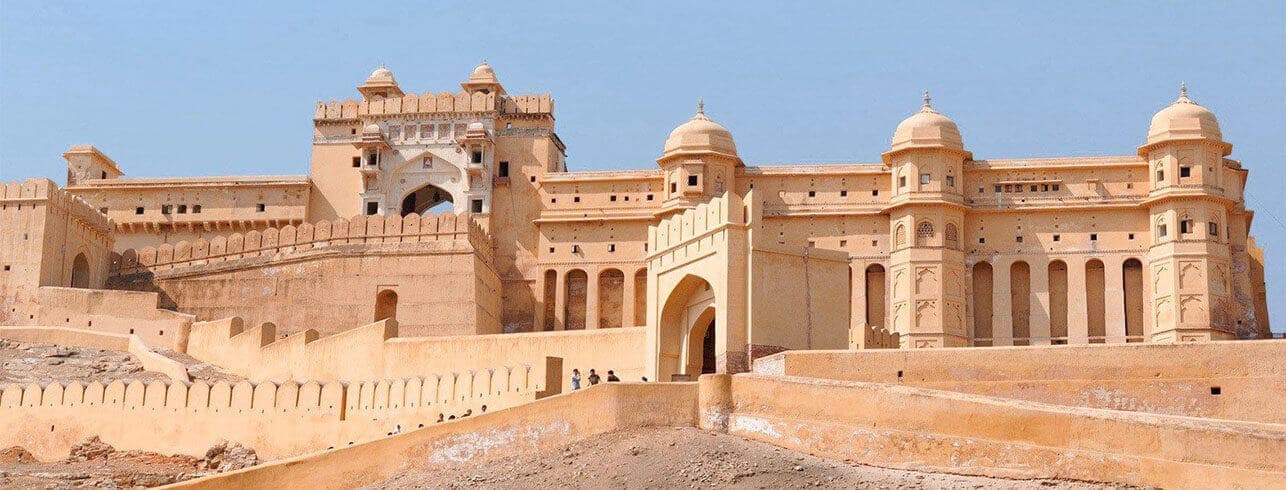
Experience the perfect blend of heritage, culture, and wildlife on this action-packed 4-day journey through Delhi, Agra, Ranthambore, and Jaipur.
Includes
- Private vehicle for sightseeing and excursion
- Accommodation
- Entry fees at the monuments
- Any item which is not mentioned on inclusion
- Tips and Gratuities
- Additional Services Not Mentioned in Inclusions


Trusted by thousands of travellers for safe, verified Taj Mahal tours.
Important
information
What to bring
- Passport or ID card
- Comfortable walking shoes
- Sunscreen and sunglasses
Not allowed
- Drones
- Large bags inside the Taj Mahal
Know before you go
- The Taj Mahal is closed every Friday. Please plan your visit accordingly.
- To avoid any confusion on the day of your tour, please ensure you contact us to confirm your pickup before booking (Airport vs Hotel).
- If you choose a sunrise tour, pickup time will be early morning (around 2:30 AM - 3:00 AM from Delhi).
- Valid photo ID is mandatory for all visitors including children.
Tour Itinerary
Delhi
Explore Delhi’s most celebrated monuments with a knowledgeable local guide.
Qutub Minar
Qutub Minar (1199) – Built by Qutub-ud-din Aibak, this 73-meter tower is the world’s tallest brick minaret and a UNESCO World Heritage Site.
Lotus Temple
Lotus Temple (1986) – A Bahai House of Worship shaped like a blooming lotus, renowned for its serene ambiance and award-winning architecture.
India Gate
India Gate (1931) – A war memorial honoring Indian soldiers who died in World War I, crafted from light brown Bharatpur stone.
Parliament House
Parliament House (1927) – The circular central hall houses India’s two legislative bodies: Lok Sabha and Rajya Sabha.
Rashtrapati Bhavan
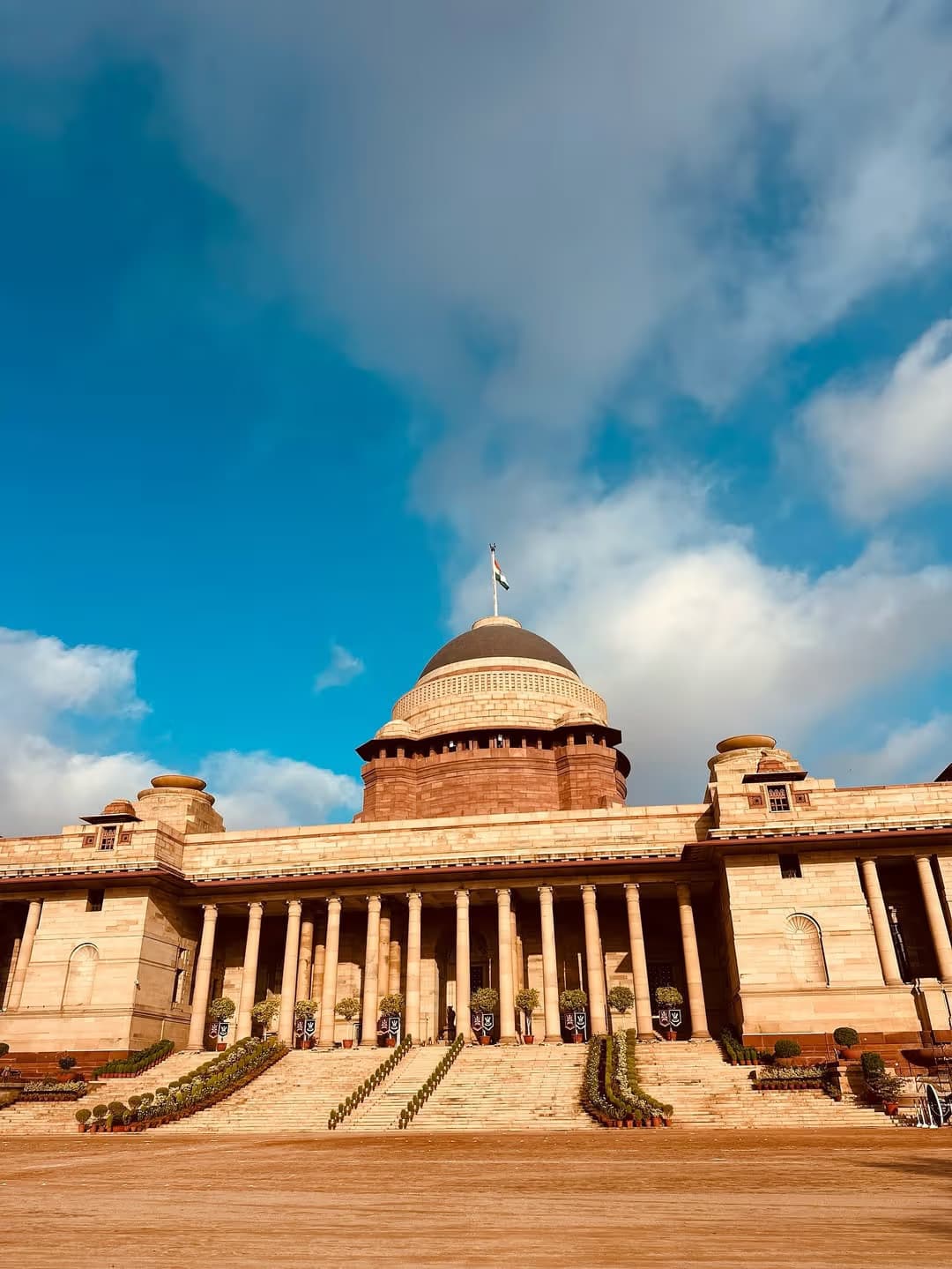
President’s House / Rashtrapati Bhavan (1929) – The official residence of the President of India, symbolizing the nation’s democratic strength.
Agrasen Ki Baoli
Agrasen ki Baoli (Stepwell) – An ancient stepwell dating back to the Mahabharata era, featuring 108 steps and intricate carvings.
Drive to Agra
After Delhi sightseeing, proceed to Agra (approx. 3.5–4 hours via Yamuna Expressway). Check-in at your hotel and enjoy an overnight stay.
Sunrise Taj Mahal visit
Start your day with a sunrise visit to the Taj Mahal, one of the Seven Wonders of the World. Taj Mahal (1632–1653) – Built by Mughal Emperor Shah Jahan in memory of his beloved wife Mumtaz Mahal. This white-marvel mausoleum is celebrated for its intricate pietra dura work and symmetrical design.
Agra Fort
Agra Fort (1565–1573) – Also known as the Red Fort of Agra, this 16th-century fortress made of red sandstone sits on the banks of the Yamuna River.
Baby Taj
Tomb of Itimad-ud-Daulah (1622–1628) – Often called the “Baby Taj”, this Mughal mausoleum features exquisite marble inlay work and served as a design precursor to the Taj Mahal
Drive to Ranthambore
Proceed to Ranthambore (approx. 4–5 hours). Check-in at your hotel and overnight stay.
Ranthambore National Park Safari
Embark on a shared jeep or canter safari through one of India’s finest tiger reserves. Ranthambore National Park (Established 1980) – Located in Sawai Madhopur, Rajasthan, this park is home to tigers, leopards, Asian elephants, sloth bears, and over 300 bird species. The park also houses the historic Ranthambore Fort within its boundaries.
Drive to Jaipur
Return to your hotel for breakfast, check out, and drive to Jaipur (approx. 2–3 hours). Check-in at your hotel and overnight stay. Morning: Guided Jaipur Heritage Tour Explore the “Pink City” with visits to its most iconic landmarks
City Palace
City Palace (18th Century) – Built by Maharaja Sawai Jai Singh II, this palace complex includes Chandra Mahal and Mubarak Mahal, showcasing Rajput and Mughal architecture.
Hawa Mahal
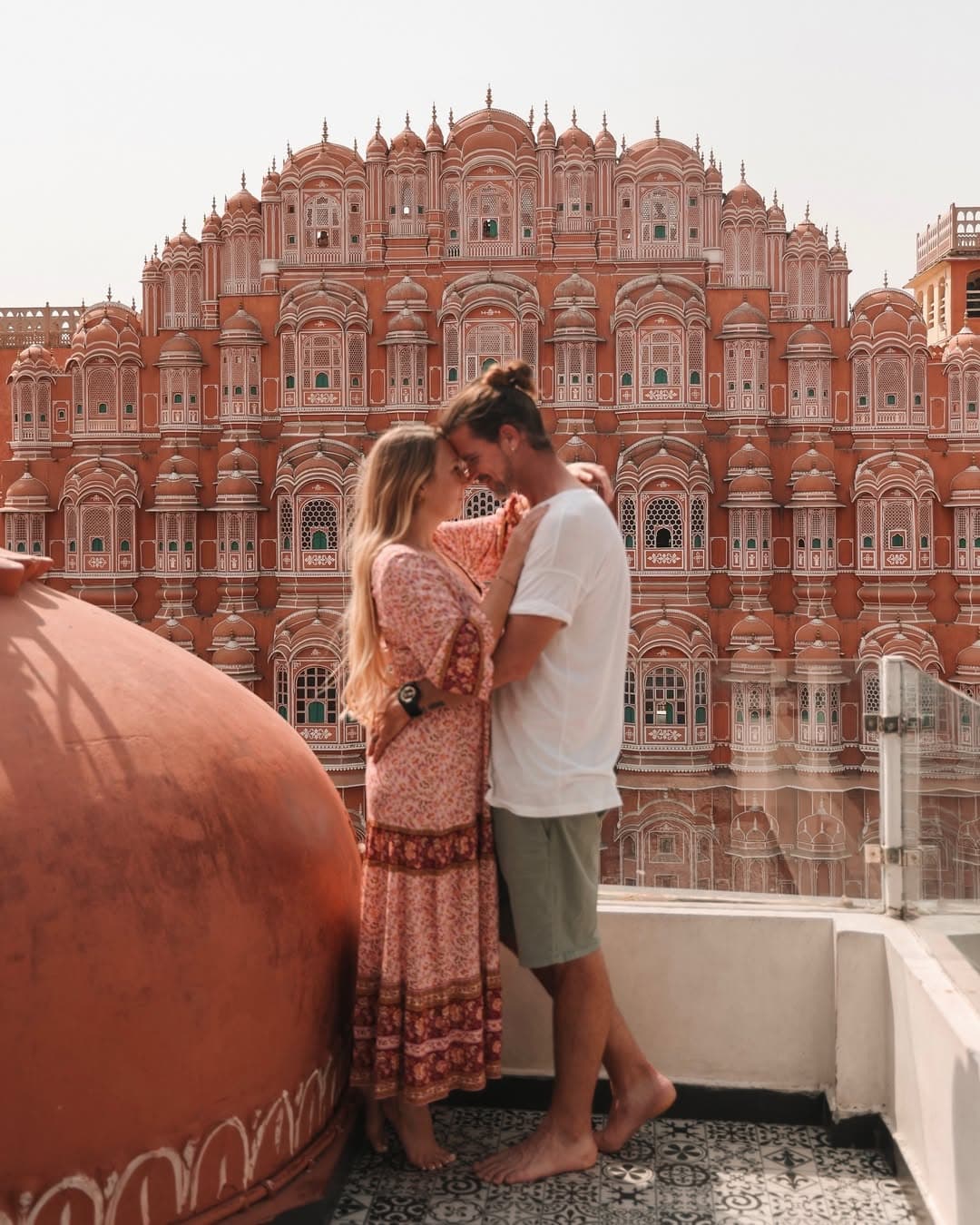
Hawa Mahal (1799) – Known as the “Palace of Winds”, built by Maharaja Sawai Pratap Singh with 953 intricately designed jharokhas (windows) for natural ventilation.
Jantar Mantar
Jantar Mantar (1734) – A UNESCO World Heritage Site featuring the world’s largest stone sundial, built by Maharaja Sawai Jai Singh II for astronomical observations.
Panna Meena ka kund
Panna Meena ka Kund (8th Century) – A symmetrical stepwell known for its stunning architecture and photogenic staircases.
Amber Fort
Amber Fort (1592) – Constructed under Raja Man Singh, this fort-palace blends Hindu and Mughal design with red sandstone and marble.
Jal Mahal
Jal Mahal (1799) – The “Water Palace” built by Maharaja Sawai Pratap Singh in the middle of Man Sagar Lake, offering a picturesque photo stop.